Just sharing what i think are healthy food for cancer patients

The idea is to share what we all know about diets and holistic medicine that will help fight cancer in combination with conventional/orthodox medicine. Let us try to find out about the natural cancer-fighting food from Western, Oriental, Mediterranean, African and other parts of the world.
Who knows, doctors and researchers might pick up something from our posts and develop life-saving cancer cures.
Let's share whatever knowledge we might have for the good of all.
Good luck to all and Best Wishes!
Comments
-
Here's another article link to 12 foods that fight cancer:
https://draxe.com/cancer-fighting-foods/
I hope this helps in planning your cancer diets.
Take care!
gmmiph
-
I am very into Plant Based Diet. Google "the china Study" T Colin Campbell. Wish i knew about this in 2003. has been Plant Based for three years and really really have never felt better, been leaner, nor had plenty of issues reverse.
-
Hi Carmelle,
Thanks for your post. I will surf about the China Study you mentioned and share whatever i find out.
I am also beginning to believe in eating healthy thru plant based food. It is not uncommon that i've heard of people in the past getting cured of cancer thru plant based diet. The most recent was my officemate whose tumor disappeared completely after a year and a half of strict fruits and veggie diet. Nothing else. The last time she went back to her doc and mammogram, the tumor really disappeared.
I have a long line of family cancer history and now that it is my turn to fight it, i'll do everything i can, be it conventional or alternative medicine, to be the first in my family to survive this.
I think sharing knowledge about holistic medicine will help a lot of people here and it might even be more economical.
Take care Carmelle. I will include you in my prayers along with the others here coz i also believe in the power of group prayer.
See you around.
Gmmiph
-

SALUYOT
COMMON FILIPINO NAME : Saluyot
COMMON ENGLISH NAME : Jute
SCIENTIFIC NAME : Corchorus CapsularisDESCRIPTION :
Usually found in warm tropical countries to wet forest zones. Saluyot is locally used as an ingredient in Philippine cuisines or viands. Moreover, it also has nutritional contents which may also be used as herbal medicine.
MOST POPULAR SUPPLEMENTAL BENEFIT/S :
Saluyot leaves contain Vitamin A which helps improve eyesight. It is also known for its anti-ageing benefits that help reduce wrinkles and maintain youthful skin.
OTHER SUPPLEMENTAL BENEFIT/S :
It may also be used to control blood pressure and the cholesterol level. It also contains minerals that strengthen bones and teeth.CURATIVE BENEFITS / MEDICINAL QUALITIES :
Jute leaves are used as a remedy for:
• Headache
• Stomach ache/Ulcer
• Arthritis
• Urinary bladder problems
It may also lower the risks of having asthma, cancer, diabetes and heart disease.VITAMINS AND MINERALS CONTENT / NUTRITIONAL VALUE:
Saluyot leaves are rich in vitamins and minerals such as:
• Calcium
• Iron
• Phosphorus
• Potassium
• Vitamins A, C (in the form of ascorbic acid), E
• Thiamine
• Riboflavin
• Fiber
• Protein
• NiacinREFERENCES / BIBLIOGRAPHY
http://www.cebu-philippines.net/natural-jute.html
http://www.philippineherbalmedicine.org/saluyot.htmAlso knows as:
Saluyot (Tagalog), Jute, Jew's mallow, Egyptian spinach, jute mallow, bush okra, West African sorrel (En), Chang shouo huang ma (Ch). Krinkrin (Fr)Saluyot (Corchorus olitorius) is an edible leafy vegetable that is a member of the genus Corchorus, classified under the subfamily Grewioideae of the family Malvaceae. Saluyot is widely found in tropical and subtropical areas from Asia to Africa valued as food and for its strong fiber. Saluyot has long been used as food staple since ancient times by Jewish people and Egyptians hence derived its English names Jew's mallow and Egyptian spinach.
Saluyot leaves are very nutritious, it is rich in calcium, iron, protein, vitamin A, C and E, thiamin, riboflavin, niacin, folate, and dietary fibers. Saluyot is usually cooked as stew, forming a thick slimy syrup similar in consistency to okra usually taken with rice or other starchy staple.
Saluyot can almost grow anywhere in the Philippines. Saluyot is a hardy plant that is resistant to pests and requires little care. It can be found in the wild as it can also be grown in a farm.
Saluyot plants are tall, reaching 2-4 meters in height, having only a few side branches. Saluyot leaves are alternate, simple, lanceolate, about 5-15 cm in length tapering to a pointed tip and has finely serrated margin. Saluyot flowers are yellow about 2-3 cm wide with five petals. The fruit is capsule like with plenty of small seeds inside.
Saluyot Herbal Medicine – Health Benefits
Saluyot being rich in vitamins and minerals generally promotes good health and well-being.
Saluyot being rich in vitamin A can provide health benefits for good eyesight.
Saluyot contains vitamin E and other antioxidants. It is said to prevent wrinkles and promote youthful looking skin.
Saluyot is used to treat inflammation and pain such as arthritis , headache, stomach ache and others.
Saluyot being rich in fiber helps to control blood pressure, cholesterol build-up, diabetes and prevents heart disease.
Saluyot leaves are rich in fiber and its slimy consistency when cooked is used to treat various digestive problems such as diarrhea, stomach ache, dysentery, constipation and ulcers.
It is also claimed that together with other herbs it can cure cancer.

Saluyot, Scientific Studies – Medical Uses
Benefits of Saluyot for Diabetes
A study conducted in Department of Biochemistry and Nutrition, India reported that by administering powdered Saluyot supplements to pregnant rats, both the mother and the fetus exhibited an increased resistance in diabetes induced oxidative stress versus a control group. The results suggest that Saluyot supplementation during pregnancy may provide beneficial effects against diabetes induced oxidative stress both for the mother and the fetus.(Journal of Diabetes. March 2013: Dietary supplementation with Ipomoea aquatica attenuates maternal and fetal oxidative stress in streptozotocin-diabetic rats)
Beneficial Effects of Saluyot Against Liver Disease
The Department of Molecular Medicine, University of Malaya in Malaysia conducted a study on the protective action of Saluyot against thioacetamide-induced hepatotoxicity in rats to determine if Saluyot can indeed help treat jaundice. An ethanol extract of Saluyot has been administered to rats subjected to liver damage by thioacetamide. Results had shown that the rats when compared to a control group showed resistance against liver lesions, cell necrosis and inflammation. The study further suggests that the protective effect of Saluyot extract in chemical-induced liver damage might be contributed to its modulation on detoxification enzymes and its antioxidant and free radical scavenger effects. Moreover, it confirms a scientific basis for the traditional use of Saluyot for the treatment of liver disorders. (Molecules. 2012: Ipomoea aquatica extract shows protective action against thioacetamide-induced hepatotoxicity)
Saluyot Availability And Preparation
Saluyot being an annual plant can be grown in your backyard or can be bought in your local wet market by the bunch.
Saluyot leaves may be dried and stored for later use.

Saluyot leaves are dried and boiled to make a medicinal tea.
Saluyot leaves being a vegetable can be thrown in as an ingredient in making stews or soups and other viands. The Ilocanos are known to prepare delicious dishes with saluyot, the most popular are dinengdeng and bulang-bulang. Some Ilocanos even attributes their youthful looks and longevity in saluyot rich diet.
-
The Alugbati Medicinal Uses and Health Benefits
Alugbati or Malabar spinach is actually a succulent vegetable, especially the young shoots. It can grow abundantly on its own. The plant flowers naturally during a short-day period thus seed production is fast. The leaves are fleshy and round, and can replace spinach. Basella rubra, the edible species, has red flowers and purple stems. The fruit is fleshy and turns purple when mature. What are the Alugbati Medicinal Uses and Health Benefits? The plant is rich in saponin, iron and Vitamins A (510 IU per cup of alugbati), B and C and is a rich source of soluble fiber, which helps digestion. Saponins act as phytochemicals, which can fight off cancer. The red variety of alugbati is a good source of xanthones, an antioxidant. A cup of alugbati has only 10 calories and less than 0.5 g of fat. It also has 55 mg of calcium, 113 mg of potassium and 50 mcg of folic acid. Folic acid, which is also called folate, is one of the B vitamins that are critical for childbearing women.
-
Health Benefits of Malunggay
There are various parts of the malunggay plant which are being used for health reasons. For one, the leaves of this plant proved to be a good source of calcium, iron, ascorbic acid and phosphorus. Its other parts such as the seeds, the young pods, and the flowers have been established to benefit individuals as far as anti-oxidant, anti-diabetic, circulatory stimulations, and such other activities that are most beneficial to mankind, are concerned. There have been claims that malunggay can be used to lower blood pressure, aid in pains caused by rheumatism, headaches and migraines, as well as its being an anti-tumor plant. Malunggay is also used for purgative and anti-fungal purposes, as well. All these prove the claim that this plant is indeed multi-purpose.
There are various ways to derive the benefits from malunggay plant. Aside from the natural and direct means, wherein one is going to prepare the concoctions at home by picking the necessary parts from the plant itself, one can also purchase the commercial extractions of malunggay. There are malunggay capsules that are now available in the market, which contain 250mg dried young leaves of the malunggay plant. In the same way, there are commercial oil extracts of the malunggay flowers which are also in the market. Because of the popularity that has been associated with this plant, commercial establishments have exploited the malunggay's marketable qualities. For simple preparations however, as when the concoction would be used for uncomplicated ailments like hiccups, as a means to end constipation, or as wound cleanser, one may eat the cooked leaves of the malunggay plant during his last meals of the day. This should be accompanied by water, especially when the ailment to be addressed is constipation. Now, as wound cleanser, the leaves may be crushed and applied to the affected area directly. In all instances, cleanliness should be observed to avoid complications. -
Dahon ng Sili ( Capsicum Frutescens Linn)
- Family: Solanaceae
- Scientific Name:Capsicum frutescens Linn
CURATIVE BENEFITS / MEDICINAL QUALITIES :
- Enhances body metabolism; prevents blood clots
- An excellent expeller of poisons and toxins. It purifies blood by its cleansing and purging effect.
- Improves circulation by its stimulating properties
- Promotes healing and prevents infection with its anti-microbial properties
- Helps breakdown cholesterol deposits in the body, thus reducing risks of heart diseases
- As stimulant for the whole body
- It aids in digestion, nervous system and circulation
Chili Leaves Health Benefits:
- Leaves are used for dressing wound.
- The leaves are excellent sources of calcium, iron and Vitamin B.
- The leaves are a good source of potassium and vitamin A.
- The leaves can help relieve indigestion. Make an infusion of fresh leaves using one tablespoon per cup of boiling water. Drink after meals.
- For wellness: Eat one cup of fresh leaves everyday
-
Guyabano
"The Natural Cancer Cell Killer"
Fights Cancer Cells, may help lowering blood pressure,
may help improving immune system & more!
The Guyabano tree, its fruit, leaves, stem, bark may be a natural cancer cell killer.A scientific research published in the Journal of Natural Products in 1996, stated that the bioactivity-directed fractionation of the seed resulted in the isolation of a new compound (cis-annonacin) that is selectively cytotoxic to colon adenocarcinoma cells (HT-29) in which it was far more potent than Adriamycin.
Protect your immune system and avoid deadly infections. Feel stronger and healthier throughout the course of the treatment. Boost your energy and improve your outlook on life.
The source of this information is just as stunning.
Extracts from the tree were shown to: Effectively target and kill malignant cells in 12 types of cancer, including colon, breast, prostate, lung and pancreatic cancer.
What's more, unlike chemotherapy, laboratory tests shows that the compound extracted from the Guyabano tree selectively hunts down and kills only cancer cells. It does not harm healthy cells! Various parts of the tree–including the bark, leaves, roots, fruit and fruit-seeds–have been used for centuries by medicine men and native Indians in South America to treat heart disease, asthma, liver problems and arthritis.
The results showed that Guyabano's "leaves and stems were found effective in attacking and destroying malignant cells.In many independent laboratory tests has proven that Guyabano may be a potent cancer killer.
The most significant part of the report is that Guyabano (Annona Muricata) was shown to selectively target the cancer cells, leaving healthy cells untouched. Unlike chemotherapy, which indiscriminately targets all actively reproducing cells (such as stomach and hair cells), causing the often devastating side effects of nausea and hair loss in cancer patients.
A study at Purdue University found that the leaves from the Guyabano tree killed cancer cells among six human cell lines and were especially effective against prostate, pancreatic and lung cancers.
-
About Garlic... here is a nice article :
https://authoritynutrition.com/11-proven-health-benefits-of-garlic/
-
Thank you gmmiph for all of this information!
Rhonda
-
You are most welcome Rhonda. If you have your own cancer diet, please share. Maybe we can come up with the most effective diet plans from these ideas we have.
Thank you for your appreciation.
gmmiph
-
THE RAINBOW DIET MEAL PLAN
Here are just a few ideas for naturally colourful meals, making up an entire daily 'Rainbow Diet':
Breakfast
* Greens and Blues - Avocado, watercress and blueberry smoothie
* Reds, oranges and yellows - Slices banana, papaya and mango, topped with fresh pomegranate seeds
Lunch
* Reds, oranges and yellows - Carrot, tomato and red chilli soup, with a baked sweet potato and radicchio salad
* All greens - Salad of baby spinach and lamb's lettuce, with avocado, pumpkin seeds, chopped cucumber, sliced courgette and green olives
Snack
* White - white bean hummus with raw cauliflower florets
* Green - Nori seaweed wraps filled with sliced avocado, alfalfa and sliced cucumber
Dinner
* White and purple - Stir fry of onion, garlic, mushrooms, purple sprouting brocolli, red and white cabbage, with mixed white beans and kedney beans
* A full rainbow meal - Leafy green salad of romaine lettuce, watercress and chicory, topped with avocado, cucumber, red and yellow pepper, carrot, courgette, tomato . . . and garnished with arame seaweed strips, Nori flakes, chopped mint and pomegranate seeds.
Dessert
* Blues - Freshly sliced purple figs with blueberry and blackberry sorbet
-
Mangosteen
Mangosteen fruit scientifically known as Garcinia mangostana is a tropical evergreen tree, believed to have been originated in Indonesia and is widely available in several South East Asian regions like Singapore, Malaysia, Thailand, and Vietnam and also in some regions of Africa. The purple Mangosteen, also known as 'Mangustan' in Hindi, 'Ivarumamidi' in Telugu, 'Kaattampi' in Malayalam, 'Kao' in Bengali, 'Murugala Hannu' in Kannada, 'Kokum' in Gujarati, 'Kokam' or 'Ratamba' in Marathi, is acclaimed for its unique appearance and flavor is often revered as queen of the tropical fruits, especially in the orient.
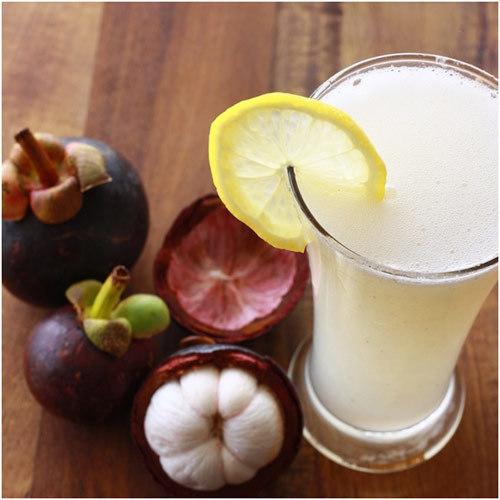
The fruit has three major parts: the deep purple rind; the white edible flesh which is segmented like oranges and the seeds, found within the flesh. The seeds are extremely bitter in taste and are inedible while the flesh has a soft fragrance with a sweet taste. The outer shell or rind of the Mangostein fruit (called the pericarp) is rather hard, yet can be opened easily.
Mangosteen Health Benefits:
Mangosteen has been a part of the traditional medicine of various Asian countries for a very long time, and was once brought all the way around the world so that it could be sampled by Queen Victoria. The health benefits of mangosteen are known since 18th century and it has been proven that these benefits are not just mythical. It is a storehouse of essential nutrients which are required for normal growth, development and overall nutritional well being. Different parts of the fruit and plant are used in the treatment of various diseases and disorders. Here are some of the mangosteen fruit health benefits.
1. Antioxidants:
Scientific Research has revealed that Mangosteen contains a class of naturally occurring polyphenol compounds known as xanthones. There are two types of xanthones in this fruit – alpha mangosteen and gamma mangosteen. Xanthones and their derivatives have been shown to have several benefits, including anti-inflammatory. Xanthones are an effective remedy against various cardiovascular diseases. These antioxidants have healing properties which heal cells damaged by free radicals, slow down aging and ward off degenerative diseases and physical and mental deterioration.
[ Read: Uses of Nutmeg ]
2. Low Calories:
This fruit is very low in calories (63 calories per 100 g) and contains no saturated fats or cholesterol. Nonetheless, it is rich in dietary fiber (100 g provides about 13% of RDA), which can be very important for individuals who are concerned about putting on excess body weight.
3. Vitamin C:
Mangosteens are rich in vitamin C and contains about 12% RDA per 100g. Being a powerful water soluble anti oxidant, vitamin C provides resistance against flu like infectious agents and scavenge harmful pro-inflammatory free radicals. Therefore consumption of fruits rich in vitamin C is vital for developing resistance against diseases. Folate plays an important role in foetal development and evolution of new cells in the body. This particular vitamin is vital during pregnancy and protects neutral tube effects.
[ Read: Skin blemishes ]
4. Bloodflow:

Source: http://blog.seasonwithspice.com/2011/07/cooling-ma...
Mangosteen aids in promoting red blood cells and prevents against anaemia. It improves the blood flow by causing dilation of blood vessels which helps to protect us against certain diseases like atherosclerosis, high cholesterol, heart congestion and severe chest pains.
By increasing the amount of blood flow to the eye, Vitamin C in mangosteen is effective against cataracts.1000mg Vitamin C per day is said to be effective in curbing cataracts and improving vision.
[ Read: Taxus Health Benefits ]
5. Reduces Cholesterol:
Diet rich in mangosteen is helpful in reducing the level of cholesterol in human body. It also helps to control the level of triglycerides to take care of proper working of human heart.
6. Tuberculosis:
Mangosteen fruit contains strong antibacterial and antifungal properties besides being highly effective in boosting weak immune systems. Its inhibitory action against harmful bacteria is effective for patients suffering from tuberculosis.
7. Cancer:
The antioxidants found in mangosteen help to prevent cancer and other cardiovascular diseases. It is a powerful and effective antioxidant that protects our body from free radicals that cause oxidative stress, or" cellular rust" that can lead to host of severe medical conditions.
8. Blood Pressure:
Mangosteen also contains high amounts of of minerals like copper, manganese and magnesium. Potassium provides protection against strokes and coronary heart diseases as it is an important component of cell and body fluids and controls heart rate and blood pressure.
9. Anti-inflammatory:
Mangosteen contains anti-inflammatory properties which is highly beneficial for people who suffer from sciatica pains which cannot be controlled by drug treatment. Consuming mangosteen two to three times a day will help to relieve pain through its anti-inflammatory and cox-2 inhibitor effects.
[ Read: Anti – Ageing ]
10. Alzheimer's:
One of the major health benefits of mangosteen is its effectiveness in treating Alzheimer's disease. This disease is accompanied by symptoms like confusion and perplexity and difficulty in remembering things.
Not just mangosteen fruit, Mangosteen rinds and other parts also contain many health benefits.
- While the dried powder of mangosteen rind is used in the treatment of dysentery, its paste can be used to treat eczema and some other skin disorders.
- A decoction made of mangosteen rind can be used to treat diarrhoea, whereas a decoction made of mangosteen roots is used for regulating menstruation.
- A decoction made of mangosteen leaves and bark, is beneficial in bringing down body temperature and also to treat thrush and urinary disorders.
-
Duhat
The black, small, sweet, sour and astringent fruit. Green when unripe. Become red to red-black when rare ripe and full black when fully ripe. The sweetest duhat / plum are those falling on grounds. Sounds crazy but its true. Try staying under the tree and wait for falling fruits.
Read about the health benefits and uses of duhat before going under the tree:
1) Analyses of the fruit show that it is a good source of calcium and fair source of iron.
2) Burkill states that vinegar is made from the juice of the unripe fruit in Malaya. The procedure for duhat wine making is found here. Can also processed to popular products such as jam and juices.
3) Bark contain 19 percent tannin and 1.67 percent garlic acid. Tannin can be useful in protecting kidneys. It also has antiviral, antibacterial and antiparasitic effects. Though intake in large quantities is toxic.
4) Duhat seed was recently suggested in reducing blood sugars of diabetic individuals. It is indeed used in India. The information needs further confirmation. There is no harm in consuming duhat seeds however. Its taste is bland.

5) A boiled bark is a cure for dysentery, diarrhea, enema and ulcers. Can also be used as gurgle. Dried and powdered roots have the same curative effect.
6) The fruit is known to be a remedy for diabetes mellitus (the same as number 4). Leaf and bark juice is also effective alternative. Carminative, diuretic and for head ringworm removal.
7) Leaf extract is an effective poultice – a medical dressing consisting of a soft heated mass of meal or clay that is spread on a cloth and applied to the skin to treat inflamed areas or improve circulation etc.
The side effect: It will make your teeth, gums and tongue dirty – a mixture of violet and blue stain.
benefits are compiled by bureau of plant and industry. image courtesy of wikipedia.
update as of June 2016
Antimicrobial Activity
Study of Venkata Charepalli et al (2016) entitled "Eugenia jambolana (Java Plum) Fruit Extract Exhibits Anti-Cancer Activity against Early Stage Human HCT-116 Colon Cancer Cells and Colon Cancer Stem Cells.
Bioactive compounds in duhat such as anthocyanins have shown potent anti-cancer effects. It selectively inhibit the growth of cancer cells with relatively little or no effect on the growth of normal cells. It clearly demonstrated anti-cancer properties not only against the early stage human colon cancer cells but also induced apoptosis and inhibited self-renewal ability.
Study published by Roja Vilar (February 2016) on Prezi.com, entitled "Anti-bacterial Activity of Duhat Leaves Extract Against Escherichia Coli".
Duhat extract is effective on inhibiting the growth of Escherichia coli.
-
Spicy Tropical Smoothie
The fat content in coconut milk and the black pepper help for better curcumin absorption. This spicy tropical smoothie also aids digestion due to the enzymes in pineapple (bromelain) and papaya (papain), so it's good to drink this smoothie after a meal.
Ingredients 1 cup coconut milk 1/2 cup pineapple or papaya chunks 1 banana 1/2 teaspoon each of ground turmeric, ginger and cinnamon (or 1/2-inch fresh turmeric/ginger, peeled and roughly chopped) ¼ tsp. freshly ground black pepper A little honey, maple syrup, or stevia to sweeten (optional)
Put all the ingredients in a blender and process until smooth. Drink immediately to enjoy the most nutritional benefits.
Anti Inflammatory Smoothie
Chronic inflammation is linked to many diseases and is known to worsen their symptoms. The ingredients in this smoothie have anti inflammatory properties so you can use this smoothie as a natural alternative to anti inflammatory medications. In this smoothie, the green tea and the berries (with quercetin) as well as the coconut oil help for better curcumin absorption.
Ingredients 1 cup green tea 1 cup berries of your choice (such as blueberries, raspberries, cranberries) 1 tablespoon coconut oil 1/2 teaspoon each of ground turmeric and ginger 1 teaspoon ground flaxseed or chia seeds A little honey, maple syrup, or stevia to sweeten.
I hope you'll find these simple recipes delicious and beneficial.
Let's share whatever knowledge we might have for the good of all.
-
Health benefits of Camote (Sweet potato)
- Sweet potato is one of the high calorie starch foods (provide 90 calories/100 g vis a vis to 70 calories/100 g in potato). The tuber, however, contains no saturated fats or cholesterol, and is rich source of dietary fiber, anti-oxidants, vitamins, and minerals than potatoes.
- Its calorie content mainly comes from starch, a complex carbohydrate. Sweet potato has higher amylose to the amylopectin ratio than that in potato. Amylose raises the blood sugar levels rather slowly on comparison to simple fruit sugars (fructose, glucose etc) and therefore, recommended as a healthy food item even in diabetes.
- The tuber is an excellent source of flavonoid phenolic compounds such as beta-carotene and vitamin-A. 100 g tuber provides 14,187 IU of vitamin A and 8,509 µg of ß-carotene, a value which is the highest for any root-vegetables categories. These compounds are powerful natural antioxidants. Vitamin A is also required for the human body to maintain integrity of mucus membranes and skin. It is a vital nutrient for healthy vision. Consumption of natural vegetables and fruits rich in flavonoids helps protect from lung and oral cavity cancers.
- The total antioxidant strength of raw sweet potato measured in terms of oxygen radical absorbance capacity (ORAC) is 902 µmol TE/100 g.
- The tubers are packed with many essential vitamins such as pantothenic acid (vitamin B-5), pyridoxine (vitamin B-6), and thiamin (vitamin B-1), niacin, and riboflavin. These vitamins are essential in the sense that the human body requires them from external sources to replenish. These vitamins function as co-factors for various enzymes during metabolism.
- Sweet potato provides good amount of vital minerals such as iron, calcium, magnesium, manganese, and potassium that are very essential for enzyme, protein, and carbohydrate metabolism.
- Sweet potato top greens are indeed more nutritious than the tuber itself. Weight per weight, 100 g of fresh leaves carry more iron, vitamin C, folates, vitamin K, and potassium but less sodium than its tuber.
-
Bananas are of different kinds. Its fruits give us potassium and stunning effects to our body. But there's a banana fruit that has the highest nutrient among other bananas – and that is Cardava Banana or more popularly known as "Saging na Saba" from the Philippines.

Here are the numerous health benefits that you can get from Saging na Saba:
1. Helps the blood circulation of the body because this banana is rich in potassium. It helps maintain the regular heartbeat and best in reducing strokes and regulates blood pressure.
2. Good source of vitamins, minerals, and natural energy. If you feel tired, eat 2 saging na saba to regain the lost energy.
3. Helps solve constipation problems because it is rich in fiber.
4. Helps eliminate hangover because it is also rich in vitamins.
5. Helps cure ulcer because banana helps reduce acidity in your stomach.
6. Helps you quit in smoking because saging na saba consists of B vitamins and other types of minerals that reduces the effect of nicotine in physical and psychological.
-
What's New and Beneficial About Broccoli
- Broccoli can provide you with some special cholesterol-lowering benefits if you will cook it by steaming. The fiber-related components in broccoli do a better job of binding together with bile acids in your digestive tract when they've been steamed. When this binding process takes place, it's easier for bile acids to be excreted, and the result is a lowering of your cholesterol levels. Raw broccoli still has cholesterol-lowering ability—just not as much.
- Broccoli has a strong, positive impact on our body's detoxification system, and researchers have recently identified one of the key reasons for this detox benefit. Glucoraphanin, gluconasturtiian, and glucobrassicin are 3 glucosinolate phytonutrients found in a special combination in broccoli. This dynamic trio is able to support all steps in body's detox process, including activation, neutralization, and elimination of unwanted contaminants. Isothiocyanates (ITCs) are the detox-regulating molecules made from broccoli's glucosinolates, and they help control the detox process at a genetic level.
- Broccoli may help us solve our vitamin D deficiency epidemic. When large supplemental doses of vitamin D are needed to offset deficiency, ample supplies of vitamin K and vitamin A help keep our vitamin D metabolism in balance. Broccoli has an unusually strong combination of both vitamin A (in the form of beta-carotene) and vitamin K. For people faced with the need to rebuild vitamin D stores through vitamin D supplements, broccoli may be an ideal food to include in the diet.
- Broccoli is a particularly rich source of a flavonoid called kaempferol. Recent research has shown the ability of kaempferol to lessen the impact of allergy-related substances on our body. This kaempferol connection helps to explain the unique anti-inflammatory benefits of broccoli, and it should also open the door to future research on the benefits of broccoli for a hypoallergenic diet.
-
Boswellia Serrata is a gum resin extracted from a tree, which is sometimes burnt (the entire species of Boswellia is commonly known as Frankinsence) as an aromatic or otherwise administered as medicine. It has most usage for medicine in Ayurvedic medicine, some reading into Traditional Chinese Medicine, and its usage extends to the Middle East and other tropical regions.
Boswellia Serrata, via its active boswellic acids, appears to be a novel inhibitory of a pro-inflammatory enzyme called 5-Lipoxygenase and may possess other anti-inflammatory effects (such as nF-kB inhibition, which are not as novel). These anti-inflammatory effects have been investigated for their benefits in osteoarthritis (OA), and it appears that oral Boswellia supplements can suppress pain and immobility associated with OA quite significantly with the effects taking as little as a week to occur. The studies are well conducted, but funded by the producers of the tested supplements. There are limited non-funded interventions with Boswellic for this claim, but they seem to agree with the battery of funded study in effect size.
Remarkably, Boswellia appears to be quite anti-cancer that appears to be more anti-proliferative rather than apoptotic (the latter meaning to induce regulated cell death) since it is a potent inhibitor of angiogenesis and cell invasiveness. There are not a large battery of studies on these claims, but preliminary mouse and rat evidence where the rodents are injected with tumors suggest that Boswellia can potently suppress tumor growth (Pancreatic, Colorectal) and in some cases actually outright prevent tumor growth (Prostatic, Glioma). Boswellia appears to be a very promising anti-cancer herb due to the potency it exhibits in animals, with one study noting this after oral administration (100mg/kg of the main boswellic acid in animals). The potency has been replicated in other cancer cell lines in vitro (including breast, cervical, myeloma and leukemia) but these cancers do not yet have animal interventions yet.
Boswellia appears to be fairly nontoxic, has a history of usage as a phytopharmaceutical for brain edema associated with radiotherapy (a cancer treatment), and the general anti-inflammatory and anti-cancer effects make it a fairly interesting herb relative to others that have subpar evidence.
-
Coconuts are a lot healthier than some give them credit for and here's a little bit about how and why.
Coconuts have slowly become a very hot and versatile food commodity, and are being used in everything from our daily cuisine to our beauty regimens. Not too long ago coconuts had a bad reputation as being an artery clogging, cholesterol packed food that contributed to heart disease. Today however, the coconut is making a huge comeback as the new miracle food. Coconuts are highly nutritious, rich in fiber, and packed with essential vitamins and minerals. From culinary creations to magic beauty potions, coconuts pack a good punch. What is it about this exotic food that continues to tantalize and intimidate us at the same time? Let's explore more of the amazing health benefits of coconuts and what they have to offer.

Coconut Milk, Water, Flesh, and Oil
Fresh coconuts can be either young or mature. Young coconuts either have a green shell or a white husk (where the green shell has been removed). These are typically Asian coconuts. There is also the more familiar brown-haired variety which is the more mature coconut. Young coconuts contain more water and soft, gel-like meat whereas mature coconuts have firm meat and less water.
Young coconuts are the most health enhancing of the two. The water in the young coconut is one of the highest sources of electrolytes. Electrolytes are responsible for keeping the body properly hydrated so the muscles and nerves can function appropriately. Therefore it is more beneficial to drink the water from a young coconut after an intense workout rather than the commercial sports drinks we see advertised.
 Coconut water is also low in calories, carbohydrates, and sugars, and almost completely fat-free. In addition, it is high in ascorbic acid, B vitamins, and proteins. Furthermore, the soft meat, or flesh, inside the coconut helps to restore oxidative tissue damage and contains a source of healthy fats, proteins, and various vitamins and minerals.
Despite its natural healing wonders, a lot of people are still confused as to whether or not coconut oil is good for our health because of its high content of saturated fats. However, do not mistake hydrogenated coconut oil with pure cold-pressed extra virgin coconut oil. Pure coconut oil is derived from the mature coconuts which contain a harder flesh. The white flesh is shredded, collected, and then cold pressed at 90–100 degrees Fahrenheit. Unprocessed, unrefined virgin coconut oil is not hydrogenated, and is a safe choice for consumption.
Although coconut oil is a saturated fat it is unlike the high calorie, cholesterol-soaked, long chain saturated fats. It is rich in a medium-chain fatty acid that can actually help boost metabolism and aid in fat loss. It is metabolized quickly and instead of fat sticking to your belly, it gets burned off as energy. It also helps detoxify your body and balances your digestive tract.
One of the better known uses for coconut oil is for cooking foods. Coconut oil is one of the most stable oils when cooking with high heat, and does not form harmful by-products when heated to normal cooking temperatures like the other vegetable oils do. In addition, it can be used as a spread, for baking, and for making delicious raw, vegan desserts.
To add to its impressive list of benefits, coconut oil can also be used topically on skin and hair. Instead of bathing your skin with synthetic toxic lotions and creams, coconut oil can be used to nourish and moisturize our skin, scalp, and hair. Coconut oil has been used as both food and medicine for many centuries.
Top 10 Health Benefits of Coconuts
- Supports immune system health: it is anti-viral, anti-bacterial, anti-fungal, and anti-parasite
- Provides a natural source of quick energy and enhances physical and athletic performance
- Improves digestion and absorption of nutrients, vitamins, and minerals
- Improves insulin secretion and symptoms associated with diabetes
- Helps protect the body from cancers due to insulin reduction, removal of free radicals that cause premature aging and degenerative disease
- Reduces risk of heart health and improves good cholesterol (HDL)
- Restores and supports thyroid function
- Helps protect against kidney disease and bladder infection
- Promotes weight loss
- Helps keep hair and skin healthy and youthful looking, prevents wrinkles, sagging skin, age spots, and provides sun protection
In the Kitchen with Coconuts
The benefits and uses of coconuts continue to impress, especially in the kitchen with creative culinary delights. Due to its health advantages and natural low glycemic index rating, coconuts have replaced cream and butter and refined sugar and flour. The health benefits of coconuts have allowed more and more products that enable a broader use for coconuts to surface. Here is a list of coconut products that have replaced some of our common, everyday ingredients for healthier, delicious recipes.
 Coconut flour
 Coconut flour is simply dried, ground up coconut meat. Coconut flour is gluten-free, low in carbohydrates, high in fiber, and ideal for baking.
Coconut Milk & Cream
Coconut milk is made by mixing shredded, fresh coconut meat with water, then squeezing it through a sieve or cheesecloth. The thick, creamy liquid that comes out is coconut milk and can be used for Thai curries and stews. Coconut cream on the other hand is basically coconut milk without all the water. It is thicker and pastier. If you want to make a thicker coconut curry without all the added liquid, use coconut cream in place of milk.
Coconut Sugar
Coconut sugar is derived from the coconut sap, the sweet juice extracted when the budding flower is just about to grow. This process offers a delicious, sweet taste similar to brown sugar with a hint of caramel, with vitamins, minerals, and amino acids. Coconut sugar is considered a low glycemic food and is diabetic friendly. Use coconut sugar as you would commonly use other sugars and sweeteners.
The wonders of coconuts never cease to amaze. They can add flavor, variety, and healthy nutrients to our diet. Fans of coconuts these days are raving about the health and beauty powers that range from consuming coconuts both externally and internally, and coconut is finally getting the respect it deserves.
-
The Top 9 Benefits of Prunes and Prune Juice
Overview
Staying hydrated is a great way to protect your organs and is also one of the secrets to healthy skin. But drinking the recommended eight glasses of water a day can get old fast, so you can switch it up with prune juice.
Prune juice is made from dried prunes, or plums, which contain many nutrients that can contribute to good health. Prunes are a good source of energy, and don't give rise to a rapid hike in blood sugar levels. This is possibly due to their high amounts of fiber, fructose, and sorbitol, a sugar alcohol with a slow absorption rate. While prune juice does not contain the same amount of beneficial fiber as the whole fruit, it still retains some fiber and many of the vitamins and minerals that the whole fruit provides
A serving size of six prunes (or 57 grams) that are dried but uncooked have 137 calories and 21.7 grams of sugar. A serving size of prune juice, or one cup, has about 182 calories. Be mindful of the calories in fruit juice, which can add up if you drink it often throughout the day.
Here are the top nine benefits of prunes and prune juice.
1. Helps digestion
Prunes are high in fiber, which helps prevent hemorrhoids brought on by constipation. Chronic constipation is a common problem in older adults and can be caused by pelvic floor dysfunction or the side effects of medication. It can also be a painful problem for infants. Prune juice acts as a laxative thanks to its high sorbitol content, so ask your doctor if it's right for you.
A serving size of six prunes has 4 grams of dietary fiber, and one-half cup contains 6.2 grams. Women typically need 25 grams of fiber each day, while men need at least 30 grams.
2. Controls the urge
Did you know?
* Prunes are a type of plum. They differ from other plums because of their high sugar content, which allows them to be dried without fermenting.
* They're high in fiber and can help you regulate your bowels and your bladder.
An overactive bladder can be uncomfortable to deal with, but adding fiber to your diet can help. Oftentimes, constipation from lack of fiber can have a negative effect on bladder function and increase the frequency of urination. The Cleveland Clinic recommends taking 2 tablespoons of the following mixture every morning to help you regulate your bowels:
* 3/4 cup prune juice
* 1 cup applesauce
* 1 cup unprocessed wheat bran
3. Aids normal body function
Prunes are a good source of potassium, an electrolyte that assists in a variety of vital bodily functions. This mineral helps with digestion, heart rhythm, nerve impulses, and muscle contractions, as well as blood pressure. Since the body doesn't naturally produce potassium, consuming prunes or prune juice can help you avoid deficiencies. Just be wary of getting too much!
One half-cup of prunes contains 637 milligrams of potassium. This accounts for nearly 14 percent of your daily recommended need. Most adults should consume about 4,700 milligrams of potassium a day.
4. Provides a good source of iron
Anemia occurs when the body doesn't have sufficient healthy red blood cells, which iron helps to make. Shortness of breath, irritability, and fatigue are all signs of mild anemia. Prune juice is a great source of iron and can help prevent and treat iron deficiency.
One half-cup of prunes contains 0.81 milligrams of iron, while 1/2 cup of prune juice contains 3 milligrams. The average adult needs 10 milligrams a day, while menstruating or nursing women need 15 milligrams, and pregnant women need 30 milligrams.
5. Builds bones and muscles
According to older studies, dried prunes are an important source of the mineral boron. Boron can help build strong bones and muscles. It may also help with improving mental acuity and muscle coordination.
Prunes may be particularly beneficial to fighting the bone density loss that is a common side effect of radiation. A 2016 animal study has found that dried plums and dried plum powder can reduce radiation's effect on bone marrow, preventing bone density loss and promoting bone health.
Prunes even have some potential as a treatment for osteoporosis. Another recent study presented evidence that dried plums can prevent bone mass loss in postmenopausal women who are prone to osteoporosis. Only 50 grams (or five to six prunes) a day were necessary to see benefits.
Please remember to ask your doctor if prunes or prune juice are right for you. High-fiber foods and drinks can have an adverse effect on people with certain diseases, such as ulcerative colitis.
6. Reduces plaque buildup
Plaque buildup in the arteries causes atherosclerosis, a narrowing of the arteries, which can result in a shortage of oxygen and blood to the tissues of the body. If left untreated, this can lead to heart failure, stroke, and heart attack. Research suggests that dried prunes may help slow the development of atherosclerosis. Scientists have shown that eating prunes and drinking prune juice can significantly reduce blood pressure.
Prunes can also be good for overall heart health. A 2010 study reported that blood pressure and hypertension were reduced in groups that were given prunes daily. This finding suggests that prunes can reduce hypertension and boost cardiovascular health.
7. Regulates food intake
Dried plums can help you manage your weight by keeping you feeling full for longer. One study found that eating dried plums as a snack can suppress hunger for longer than a low-fat cookie.
8. Protects against emphysema
Chronic obstructive pulmonary disease (COPD), including emphysema, is a chronic lung disease that leads to difficulty breathing. There are multiple causes, but smoking is by far the most common direct cause of both.
A 2005 study showed positive correlations between lung health and a diet rich in antioxidants. A more recent study states that plant polyphenols, including antioxidants, may reduce risk of COPD. Prunes contain high levels of antioxidants, which can fight the damage that smoking causes by neutralizing oxidation. This may help to reduce the likelihood of emphysema, COPD, and lung cancer, though no studies have specifically looked at prunes for lung health.
9. Lowers risk of colon cancer
Colon cancer is often hard to detect, but it can be aggressive. Diet can help prevent colon cancer, and research has shown that adding dried plums to your diet may reduce your risk.
A recent study conducted by Texas A&M University and the University of North Carolina determined that eating dried plums can positively affect and increase microbiota (or beneficial bacteria) throughout the colon. This, in turn, can reduce the risk of colon cancer.
-
Hi GMMIPH: you are providing some very interesting information but I wonder how many of the foods you have described are widely available (or available at all) in North America. Clearly some are garlic, prunes, broccoli etc. but what about guyabano, saluyot, cardava banana, duhat and so on?
I've heard that Colin Campbell's China Study is quite highly regarded by many nutritionists.
-
Hi dAd,
Thanks for your post. I appreciate it. I am just starting to read the book you mentioned, The China Study which I find most interesting and is about diet (will find out more as I read on). I used to have an online book of Ty Bollinger, The Truth About Cancer, but I forgot where I kept it, and I am still searching for it.
My intention for creating this thread is for information sharing only. The purpose is hopefully to find natural food diets, holistic medicine and other means that would complement conventional/orthodox medicine in the fight against cancer. I am fully aware that most of the food I posted on this thread are not readily available in Western nations, as most of them are found in Asia. I am hoping that thru information sharing, there would be interested researchers that would look more closely into these specific foods and ultimately find a cure for most, if not all, forms of cancer. If ever they do, then the next logical thing to do is to study how these foods can be mass-produced, on whether to formulate the correct soil needed to grow these plants, or to encourage other countries which have an abundance of these plants/foods to produce more to provide for those that don't. I have seen some plants abundant in the Philippines that can be grown in the States like the camote plant (sweet potato) and the guava tree. Conversely, apples and grapes which are scarce here are also beginning to be grown locally although not in commercial quantities yet.
I don't claim to be an expert. I myself is a cancer patient and being such, I am now in search of ways to fight this dreaded disease. The reason I made this thread is because, from personal acquaintances, I found out that some forms of malignancies may be treated with diet alone or in combination with Alternative medicine. I have heard of many stories here in our country and I have some personal friends who claimed to have gotten better just by changing their diets or by going to doctors of Alternative Medicine. I became so disappointed to know about them lately, now that I already have the big C and an ensuing Mx and chemotherapy. I should have paid more attention, especially when I already know I have a long family history of cancer. I have been trying to eat healthy all my life in ways I know how and it looks like I still have a lot more to learn.
All the food I mentioned here were actually used by a former officemate of mine who was diagnosed to have a lump in her breast. She just visited me a week ago, and was surprised to see her regaining her weight. She lost a lot of weight before (as in, reed thin) when she was eating strictly veggies and fruits, with no artificial sugar and meat. She combined/alternated all the ingredients, mostly dark greens like moringa, jute, Malabar spinach, camote tops (sweet potato leaves) and chili leaves, half-cooked them and for about one and a half year, she ate them. She also combined fruit and veggie juices to her diet like apples, carrots, sugar beets, cucumber and celery. She also ate guyabano and duhat fruits. She made tea out of the fresh guyabano leaves. She also used garlic, ginger & turmeric. Really, most of them are plant foods, no meat which means less or no protein at all. And so, after one year and an half, her tumor disappeared completely and this was confirmed by her doctor. Maybe this is an isolated case, but still, very interesting.
Upon reading the beginning pages of The China Study, animal protein is mentioned as one of the factors that promote the growth of cancer, especially later in our lives. With this info, together with my officemate's experience, logically tells me that our diets should be mainly plant-based, not animal-based. Of course I still have a lot to read/learn. The book is 425 pages! and I am a slooowww reader...It was already mentioned to me somewhere on this thread before. I will read on...
Again, thank you very much for your post.
Best wishes,
gmmiph
-
Hi dAd,
I am on page 11 now... Mommy please help me!!!
-
Hi dAd,
I hope you can still read my post. I am on page 15 now, and i think my cataract grew andcaught up with me. Kidding.
I skipped the other chapters and jumped to Chapters 11 and 12, which I think are the most important parts. It is about Nutrition, whole foods and plant-based.
Here's what the readers need to remember about that book;
THE CHINA STUDY
PRINCIPLE # 1
Nutrition represents the combined activities of countless food substances. The whole is greater than the sum of its parts.
PRINCIPLE #2
Vitamin supplements are not a panacea for good health.
PRINCIPLE #3
There are virtually no nutrients in animal-based foods that are not better provided by plants.
Principle #4
Genes do not determine disease on their own. Genes function only by being activated or expressed, and nutrition plays a critical role in determining which genes, good or bad, are expressed.
Principle #5
Nutrition can substantially control the adverse effects of noxious chemicals.
Principle #6
The same nutrition that prevents disease in its early stages (before diagnosis) can also halt or reverse disease in its later stages (after diagnosis).
Principle #7
Nutrition that is truly beneficial to one chronic disease will support health across the board.
Principle #8
Good nutrition creates health in all areas of our existence. All parts are interconnected.
I am now on Chapter 12. Reading on...
Regards,
gmmiph
-
Thank you very much gmmiph - all the plant based diet info is informative and actually quite inspiring. I'm attempting to do more of veggies, fruits, and less processed grains. Avoiding the butter is a big thing for me but I ate a sesame bagel with avocado, spinach, and tomato and it tasted really good. Before cancer me would have lathered that bagel with butter and jam and maybe even some cream cheese. Anyhow thank you for sharing!
-
THANK YOU DO PROVIDE A GOOD INFORMATION FOODS AGAINST CANCER. I appreciate it.


Categories
- All Categories
- 679 Advocacy and Fund-Raising
- 289 Advocacy
- 68 I've Donated to Breastcancer.org in honor of....
- Test
- 322 Walks, Runs and Fundraising Events for Breastcancer.org
- 5.6K Community Connections
- 282 Middle Age 40-60(ish) Years Old With Breast Cancer
- 53 Australians and New Zealanders Affected by Breast Cancer
- 208 Black Women or Men With Breast Cancer
- 684 Canadians Affected by Breast Cancer
- 1.5K Caring for Someone with Breast cancer
- 455 Caring for Someone with Stage IV or Mets
- 260 High Risk of Recurrence or Second Breast Cancer
- 22 International, Non-English Speakers With Breast Cancer
- 16 Latinas/Hispanics With Breast Cancer
- 189 LGBTQA+ With Breast Cancer
- 152 May Their Memory Live On
- 85 Member Matchup & Virtual Support Meetups
- 375 Members by Location
- 291 Older Than 60 Years Old With Breast Cancer
- 177 Singles With Breast Cancer
- 869 Young With Breast Cancer
- 50.4K Connecting With Others Who Have a Similar Diagnosis
- 204 Breast Cancer with Another Diagnosis or Comorbidity
- 4K DCIS (Ductal Carcinoma In Situ)
- 79 DCIS plus HER2-positive Microinvasion
- 529 Genetic Testing
- 2.2K HER2+ (Positive) Breast Cancer
- 1.5K IBC (Inflammatory Breast Cancer)
- 3.4K IDC (Invasive Ductal Carcinoma)
- 1.5K ILC (Invasive Lobular Carcinoma)
- 999 Just Diagnosed With a Recurrence or Metastasis
- 652 LCIS (Lobular Carcinoma In Situ)
- 193 Less Common Types of Breast Cancer
- 252 Male Breast Cancer
- 86 Mixed Type Breast Cancer
- 3.1K Not Diagnosed With a Recurrence or Metastases but Concerned
- 189 Palliative Therapy/Hospice Care
- 488 Second or Third Breast Cancer
- 1.2K Stage I Breast Cancer
- 313 Stage II Breast Cancer
- 3.8K Stage III Breast Cancer
- 2.5K Triple-Negative Breast Cancer
- 13.1K Day-to-Day Matters
- 132 All things COVID-19 or coronavirus
- 87 BCO Free-Cycle: Give or Trade Items Related to Breast Cancer
- 5.9K Clinical Trials, Research News, Podcasts, and Study Results
- 86 Coping with Holidays, Special Days and Anniversaries
- 828 Employment, Insurance, and Other Financial Issues
- 101 Family and Family Planning Matters
- Family Issues for Those Who Have Breast Cancer
- 26 Furry friends
- 1.8K Humor and Games
- 1.6K Mental Health: Because Cancer Doesn't Just Affect Your Breasts
- 706 Recipe Swap for Healthy Living
- 704 Recommend Your Resources
- 171 Sex & Relationship Matters
- 9 The Political Corner
- 874 Working on Your Fitness
- 4.5K Moving On & Finding Inspiration After Breast Cancer
- 394 Bonded by Breast Cancer
- 3.1K Life After Breast Cancer
- 806 Prayers and Spiritual Support
- 285 Who or What Inspires You?
- 28.7K Not Diagnosed But Concerned
- 1K Benign Breast Conditions
- 2.3K High Risk for Breast Cancer
- 18K Not Diagnosed But Worried
- 7.4K Waiting for Test Results
- 603 Site News and Announcements
- 560 Comments, Suggestions, Feature Requests
- 39 Mod Announcements, Breastcancer.org News, Blog Entries, Podcasts
- 4 Survey, Interview and Participant Requests: Need your Help!
- 61.9K Tests, Treatments & Side Effects
- 586 Alternative Medicine
- 255 Bone Health and Bone Loss
- 11.4K Breast Reconstruction
- 7.9K Chemotherapy - Before, During, and After
- 2.7K Complementary and Holistic Medicine and Treatment
- 775 Diagnosed and Waiting for Test Results
- 7.8K Hormonal Therapy - Before, During, and After
- 50 Immunotherapy - Before, During, and After
- 7.4K Just Diagnosed
- 1.4K Living Without Reconstruction After a Mastectomy
- 5.2K Lymphedema
- 3.6K Managing Side Effects of Breast Cancer and Its Treatment
- 591 Pain
- 3.9K Radiation Therapy - Before, During, and After
- 8.4K Surgery - Before, During, and After
- 109 Welcome to Breastcancer.org
- 98 Acknowledging and honoring our Community
- 11 Info & Resources for New Patients & Members From the Team